Designing the "No": A Framework for AI Features That Act Without Asking First
A practical framework for designing oversight, visibility, and control into AI features that act on their own — before you ship them.

A practical framework for designing oversight, visibility, and control into AI features that act on their own — before you ship them.
AI in products is shifting from generating things for a human to review, to acting on its own — sending the email, updating the record, triggering the next step, without someone approving each move first. I want to talk about the part of this shift that gets almost no design attention, because it's the part I keep running into on client work, even before "agentic" was the word everyone used for it.
What's actually changing
For years, "AI in your product" mostly meant AI that generates something — a draft, a summary, a suggested reply — and hands it to a person to accept, edit, or throw away. The human stayed in the loop by default, because the AI physically couldn't act without them.
Agentic features remove that default. A system that can update a record, issue a refund, reprice a listing, or send a message doesn't need a human in the loop unless someone specifically designed one in. The action just happens. That's the entire appeal — it's also the entire risk.
The failure mode that's coming
The failure mode here isn't "the system did something obviously wrong." Obviously wrong gets noticed and fixed fast. The expensive version is quieter: the system does the right thing correctly, ninety-something percent of the time, and handles the remaining cases with the same confidence — just incorrectly. Nobody's watching closely enough to catch the pattern, because the system isn't designed to make its own actions visible.
On a data-heavy product, this isn't hypothetical. Something adjusting inventory counts, updating a customer's billing status, or reclassifying a support ticket can be wrong in a way that's invisible until a customer calls, or until someone runs a reconciliation report weeks later and finds a pattern that's been quietly compounding.
Why this is a design problem, not just an engineering problem
It's tempting to file "what if the automated action is wrong" under engineering — add a rollback function, log the actions, ship it. Logging and rollback matter, but they don't solve the actual problem, which is human: does the person affected by this action know it happened, understand why, and have a real way to stop it or reverse it before it compounds?
That's an interface question. Where does the pending action show up? What does someone see in the moments before an autonomous step fires? What does "undo" actually look like once other systems have already reacted to the first action? Those are design decisions, and on most roadmaps I look at, nobody owns them yet.
Where I've already had to solve pieces of this
I should be upfront about scope here: I haven't yet shipped a fully autonomous, model-driven agent for a client — most of my hands-on experience with "software acting without a human approving each step" comes from workflow automation, not AI agents specifically. But the oversight principles are the same regardless of what's making the decision, and I've built real versions of each piece.
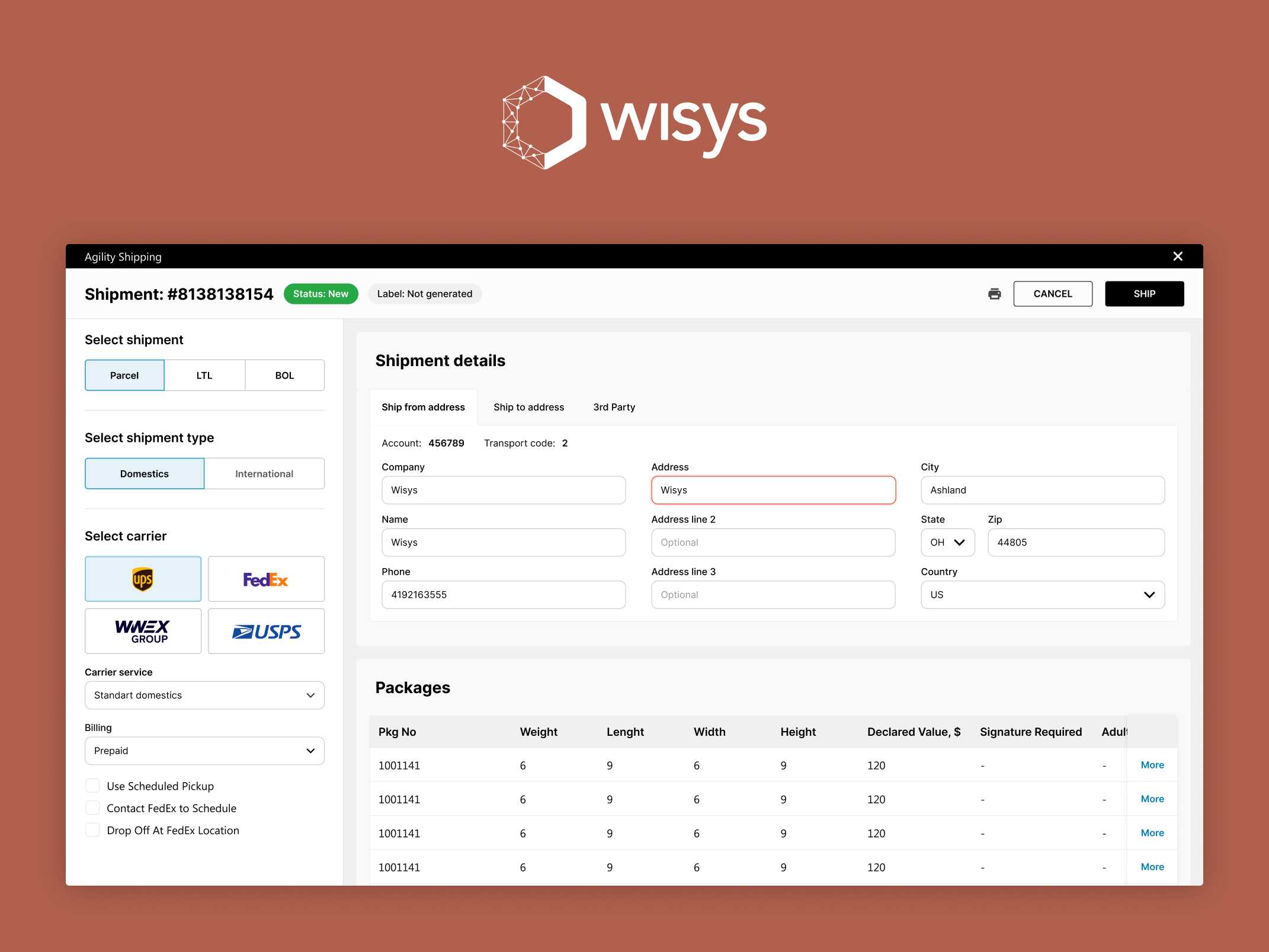
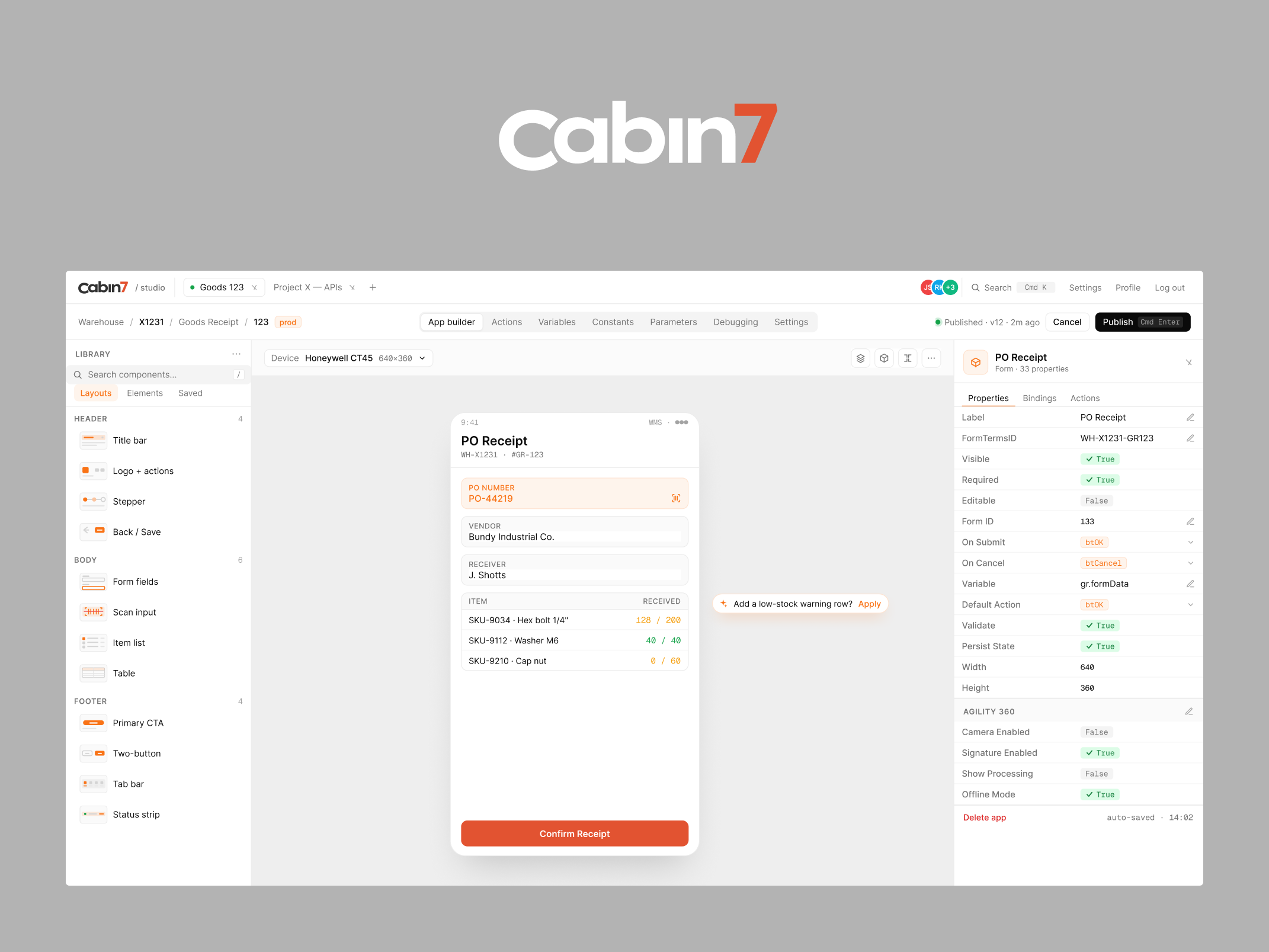
On Cabin 7, a no-code app builder I designed from scratch for WiSys, every automated workflow — the engine that routes data and triggers actions in other systems based on configured rules — writes to a log I called "Traces": what triggered the workflow, what steps executed, what data passed between steps, how long each step took, and where errors occurred, with collapsible step detail and highlighted error states. App deployment also includes version rollback, so a bad configuration change can be reverted rather than lived with. That's visibility and honest undo, built for rule-based automation — and it's the direct precedent for what I'd insist on before anything more autonomous touched the same systems.
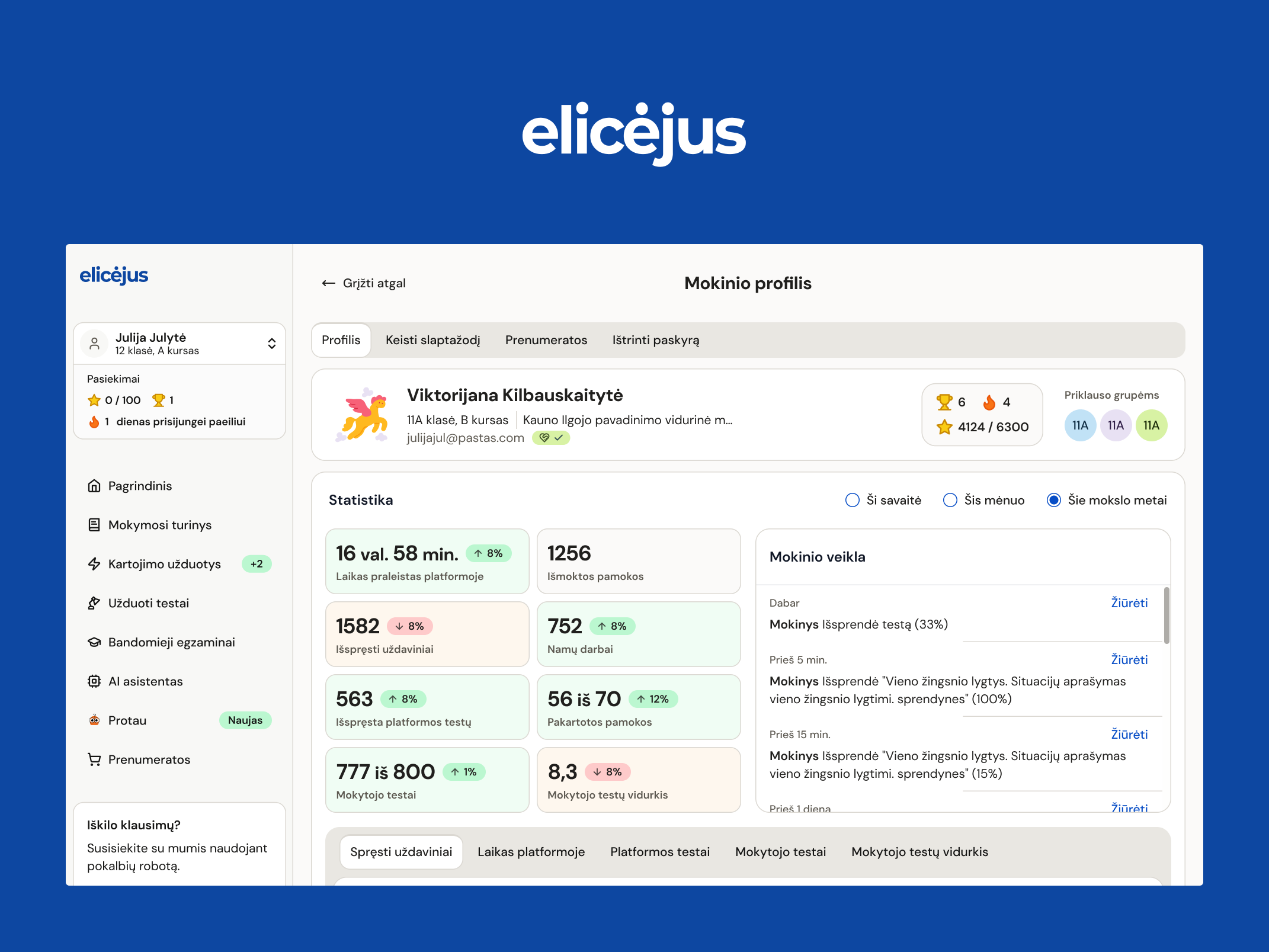
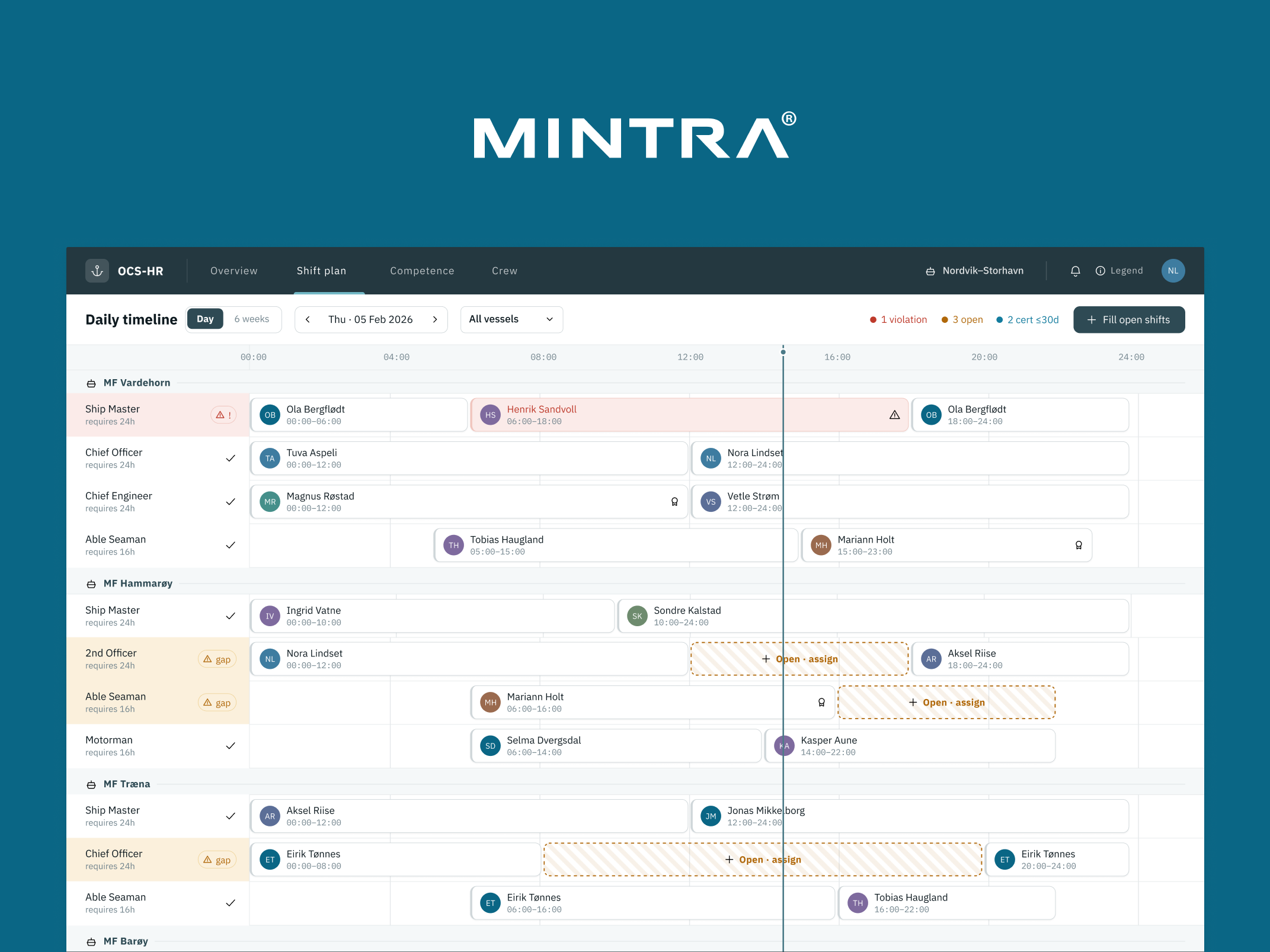
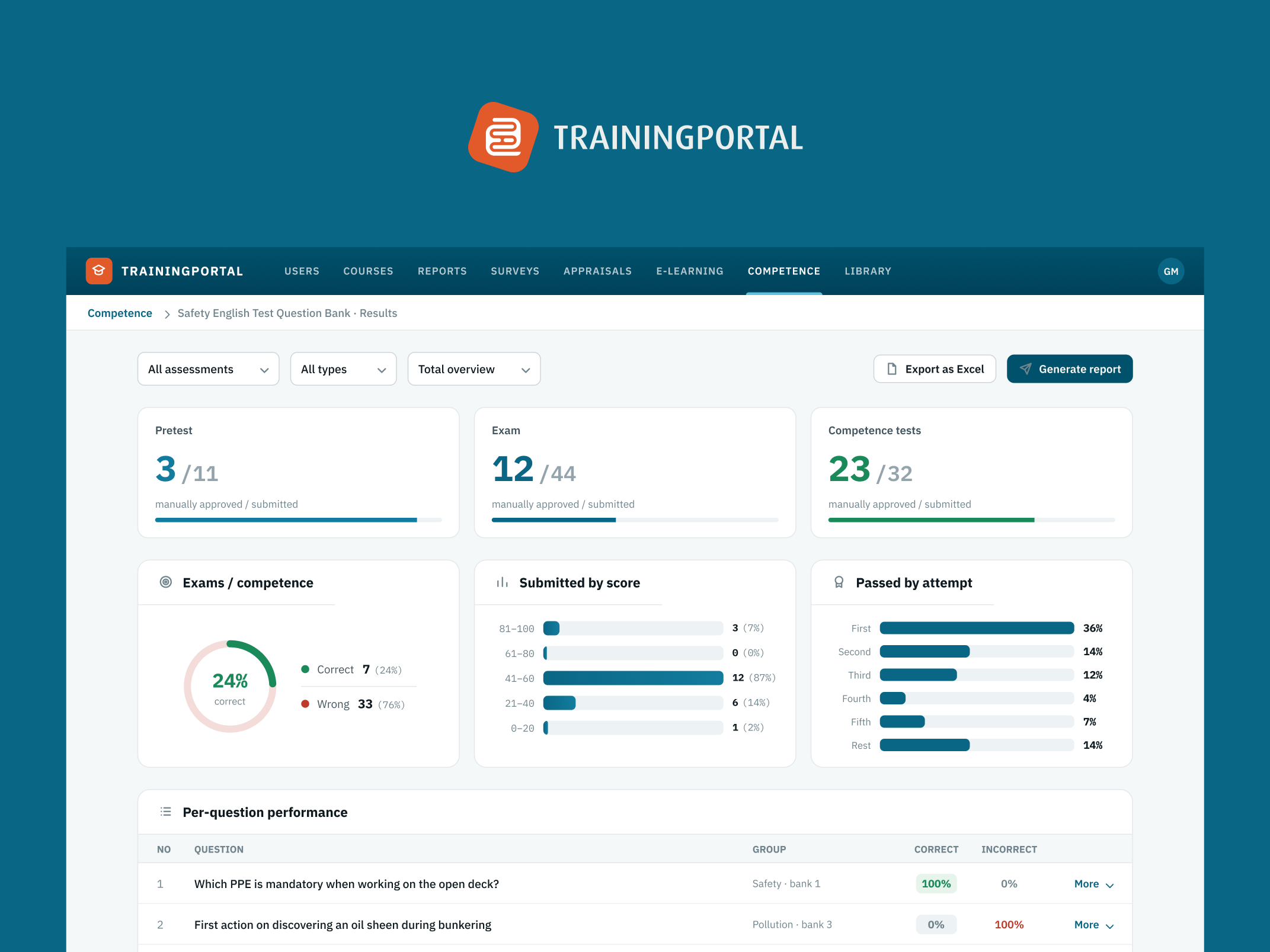
On Mintra's exam platform, bulk actions — publishing or archiving content at scale — ship with explicit confirmation flows specifically to reduce the risk of accidental changes hitting a lot of records at once. That's a real pause point for anything with reversibility and scale working against it at the same time.
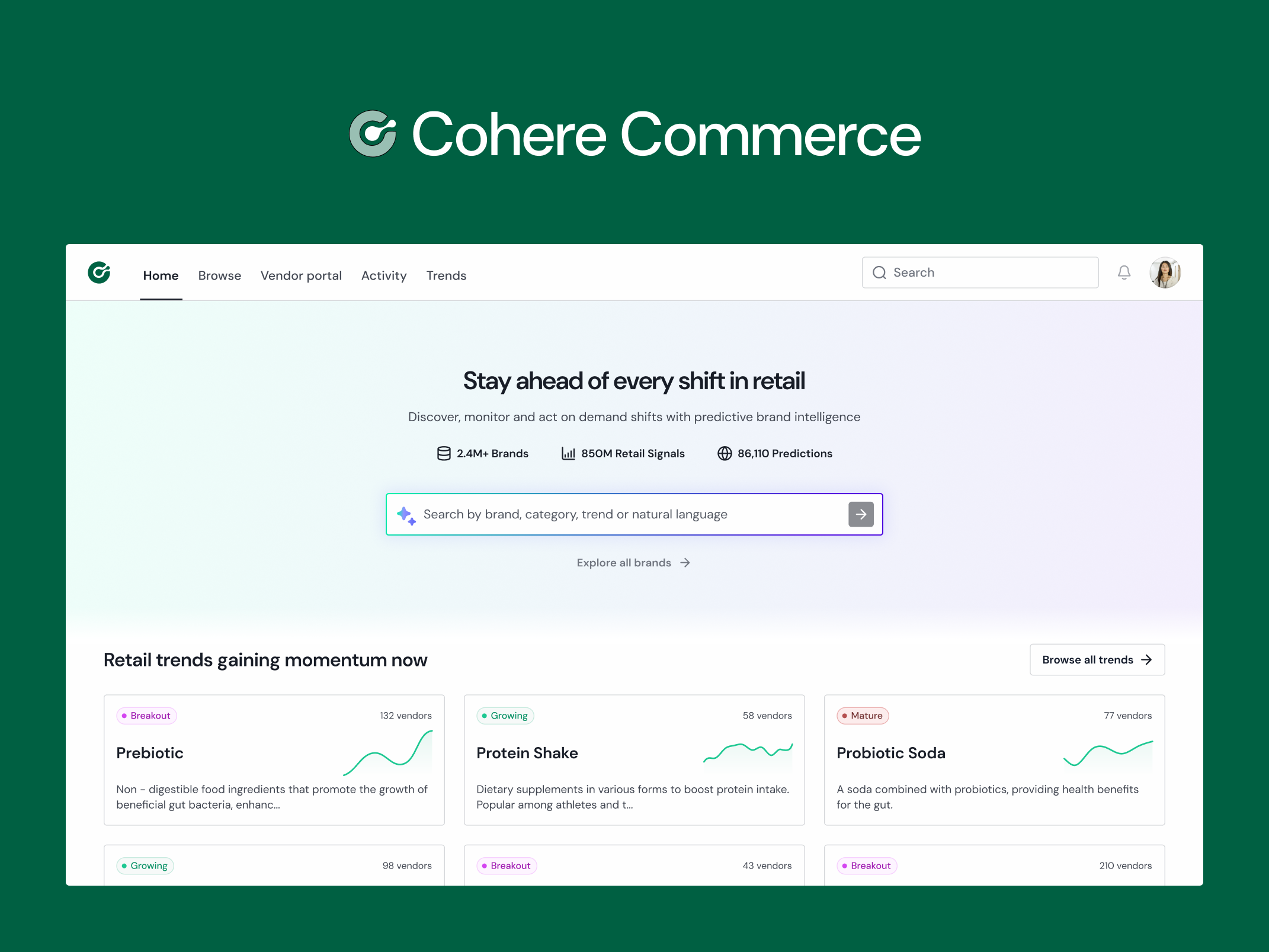
And on Cohere Commerce, brands are notified immediately whenever a retailer's action changes their status — visibility into another party's action, delivered the moment it happens rather than discovered later, built specifically to remove a black box.
None of these are AI agents deciding things on their own. They're the same oversight problem in a simpler form — automation acting on rules instead of a model, but still acting without someone approving each individual step. The design requirements don't change when the thing making the decision gets smarter. They get more important.
The four things every agentic feature needs
This is the checklist I'd bring into any client conversation where a product is adding a feature that acts rather than just suggests:
- Visibility. The person affected can see what the system is about to do, or has already done, without having to go digging for it. If a customer or teammate would be surprised to learn an action happened, it wasn't visible enough.
- A real pause point. For anything costly or hard to reverse, there's a moment where a human can stop the action before it fires — not a settings toggle buried three menus deep, but something that shows up when it matters.
- Granular permission. "This system can act on my behalf" is too broad a grant for almost anything real. The permission should be scoped to the specific action, not the whole system — send this type of message, yes; change this type of record, no.
- An honest undo. Not a disclaimer that says the action can't be reversed — an actual path back, or, where that's genuinely impossible, a clear and early warning that this one is final before it happens.
Miss any of these four and you don't have an agentic feature. You have automation with good PR.
The 5-question audit for agentic features
Before anything ships that lets a system act without a human approving each step, run it through this:
- Can the affected person see this action without hunting for it? If finding out requires digging through logs, it isn't visible.
- Is there a real pause point for anything costly or hard to reverse? Not a setting nobody will find — a moment that surfaces itself.
- Is the permission scoped to the action, or just granted to the system as a whole? Broad grants are where the expensive mistakes live.
- What does "wrong" look like here, and would anyone notice? If the system quietly mishandles the hard edge cases, what's the tripwire?
- Would this survive a walkthrough with your most skeptical customer in the room? If you wouldn't want to demo the failure path to them directly, it isn't ready.
If your product is data-heavy or regulated
The stakes here scale with how much your product touches money, compliance, or decisions that are hard to unwind. A recommendation engine getting an edge case wrong is a bad suggestion. Something acting autonomously on billing, identity, or inventory getting an edge case wrong is a real incident, with a customer, a support ticket, and possibly a regulator on the other end.
On those products, the four requirements above aren't optional polish — they're closer to load-bearing. I'd treat visibility and a real pause point as non-negotiable before any autonomous action touches anything with financial or compliance weight, no matter how good the demo looks.
The Monday morning playbook
If your product is shipping or planning agentic features, here's the order I'd tackle this in:
- Map every action your system can take without a human approving it first. Most teams haven't actually listed this out in one place.
- Run each one through the four requirements — visibility, a real pause point, granular permission, honest undo. Flag the gaps.
- Prioritize by reversibility and cost, not by how flashy the feature is. The scariest gaps are the cheap-looking actions that are actually expensive to undo.
- Give the oversight interface the same design time as the happy path. Right now it usually gets none.
A closing thought
Most teams building agentic AI are excited about what the agent can do. Almost nobody spends the same energy on what the person affected by it can see, stop, or reverse. That imbalance is exactly where the next wave of AI-related trust problems is going to come from — not because the AI failed, but because nobody designed the "no."
The products that get this right won't be the ones with the most capable agents. They'll be the ones where users trust the agents enough to actually let them act — because someone designed that trust in on purpose.
If you're building agentic features into a data-heavy product and want a second pair of eyes on where the oversight gaps are, that's exactly the kind of work I do with product teams.
Gytis Markevičius
Founder, GytisMark Studio — gytismark.com
More writing

Book a 20-minute intro call
Slots show in your own time zone.
Let’s see if it’s a fit.
Twenty minutes is usually enough: the role, the product, and how your team works.


Ask AI about my work
AI answer, based on my case studies and CV
Answers show up here as they're written. I keep them short and point you to the case study they come from.
AI can get things wrong. If something matters, check the case study or email me at hi@gytismark.com.