Crowdlending investment platform
Evenfi is a peer-to-peer crowdlending platform that connects businesses seeking funding with private lenders looking for investment opportunities. The investment pages were causing friction for new investors — too much information, a layout that didn’t help users evaluate and compare opportunities, and no clear path for someone investing for the first time.
The investment pages were redesigned.
Outcomes
What changed because of the work.

What I designed
The things I designed and shipped on this project.
- Listings rebuilt around four decision signals: status, return, term and funding progress
- Filters realigned with how investors decide: return, term, status, risk, amount
- Project detail in a side panel, so investors evaluate without leaving the list
- A layout that holds up at both low and high campaign volume
- A lighter visual language with clear typographic hierarchy
The brief
The problem, what I designed, and the result.
The investment pages were causing friction for new investors — too much information, a layout that didn't help them compare opportunities, and no clear path to a first investment.
Researched how investors scan listings, then redesigned the listing experience around the investment decision — surfacing key data and enabling evaluation without leaving the page.
New investors got a clear path from landing on the page to making a first investment, while experienced investors kept access to all the detail they needed.

The problem with crowdlending UIs
Investment platforms in this space have a consistent UX problem: they were built to display maximum information, not to support good decision-making. The result is pages that feel like financial dashboards — dense, technical, and overwhelming for anyone who isn’t already fluent in lending terminology.
For an experienced investor who knows exactly what they’re looking for, the information is there. For a new investor trying to make their first lending decision, the page makes the product feel harder than it needs to be. The business problem was real: new investors were the growth opportunity, but the UX was calibrated for users who already knew what to do.
What the research showed
Before redesigning anything, research looked at how investors — particularly newer ones — were actually approaching the platform.
Key finding: users weren’t reading everything on the page. They were scanning for four signals that told them whether a listing was worth investigating further:
- Is this campaign still open?
- What’s the return rate?
- How long is the term?
- How far along is the funding?
If those four signals looked right, they’d go deeper. If the page didn’t communicate them clearly in the first few seconds, users made uninformed decisions or moved on.
The research also surfaced a structural layout problem: the grid display was inconsistent depending on how many active campaigns were live. At low inventory the page looked sparse. At high inventory it became hard to scan. The layout wasn’t designed for variable listing counts.

What was redesigned
Investment listing page
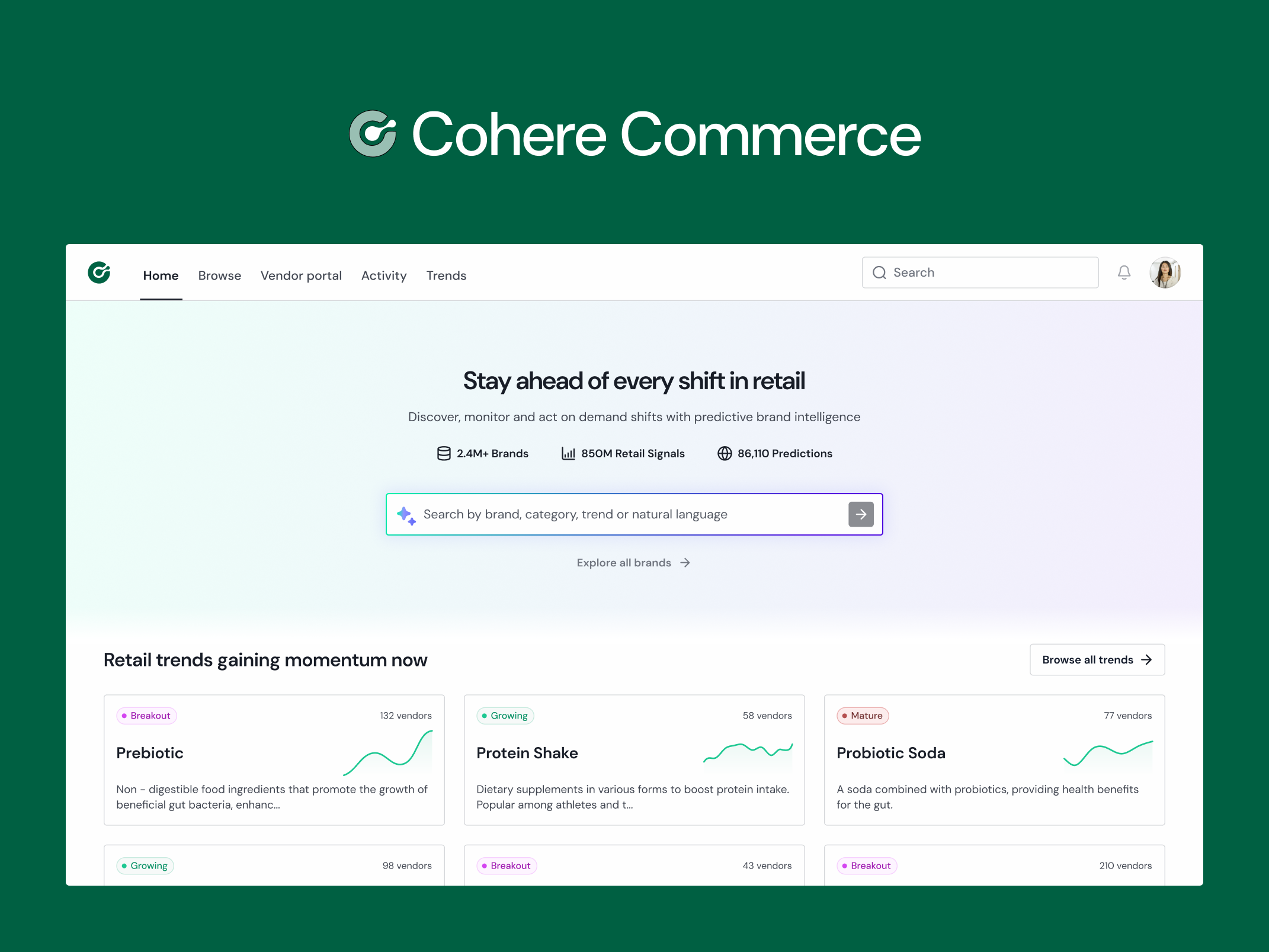
Redesigned to surface the four key decision signals first — status, return rate, term, and funding progress — without burying them in surrounding detail. Less important information is accessible on the detail view rather than competing for attention on the listing card. The grid layout was replaced with a structure that works consistently regardless of how many listings are active.
Filter system redesign
The existing filters didn’t match how investors actually wanted to narrow their options. The filters were redesigned around categories based on real decision criteria:
- Return rate range — filtering by minimum acceptable return
- Term length — for investors with specific investment horizon requirements
- Funding status — how close to fully funded
- Risk rating — campaigns categorised by assessed risk level
- Amount available — for investors with specific allocation sizes


Project detail view — invest without leaving the page
Previously, fully evaluating a campaign required navigating between multiple pages. The detail view was redesigned as a side panel opening within the listing page — users can read full campaign details, review the financials, check the company background, and invest without leaving the listing. This enabled a batch evaluation workflow: open three promising listings, evaluate, invest in the ones that meet criteria, all in a single session.
Visual design direction
The visual language was made deliberately lighter — more white space, less dense data presentation, a cleaner type hierarchy. The goal was to make the page feel less intimidating without sacrificing the depth that experienced investors needed.
For new and experienced investors
The redesign didn’t simplify the platform — it reorganised it. Experienced investors who knew what they were looking for could still access all the detail they needed; new investors now had a clear path from landing on the page to making a first investment without feeling like they were missing something.


What the team said
"It was an absolute pleasure working with Gytis on our web and mobile application analysis and design. He displayed great talent in the user experience field while he worked with us. It's not just his technical skills that impress me, however. It is also his amazingly positive attitude that made it a joy to work together. I recommend working with Gytis without any doubt."

More case studies




Book a 20-minute intro call
Slots show in your own time zone.
Let’s see if it’s a fit.
Twenty minutes is usually enough: the role, the product, and how your team works.


Ask AI about my work
AI answer, based on my case studies and CV
Answers show up here as they're written. I keep them short and point you to the case study they come from.
AI can get things wrong. If something matters, check the case study or email me at hi@gytismark.com.