AI can generate the options. It can’t tell you which one is wrong.
What Claude Design actually means for design teams — and why senior designers aren't worried

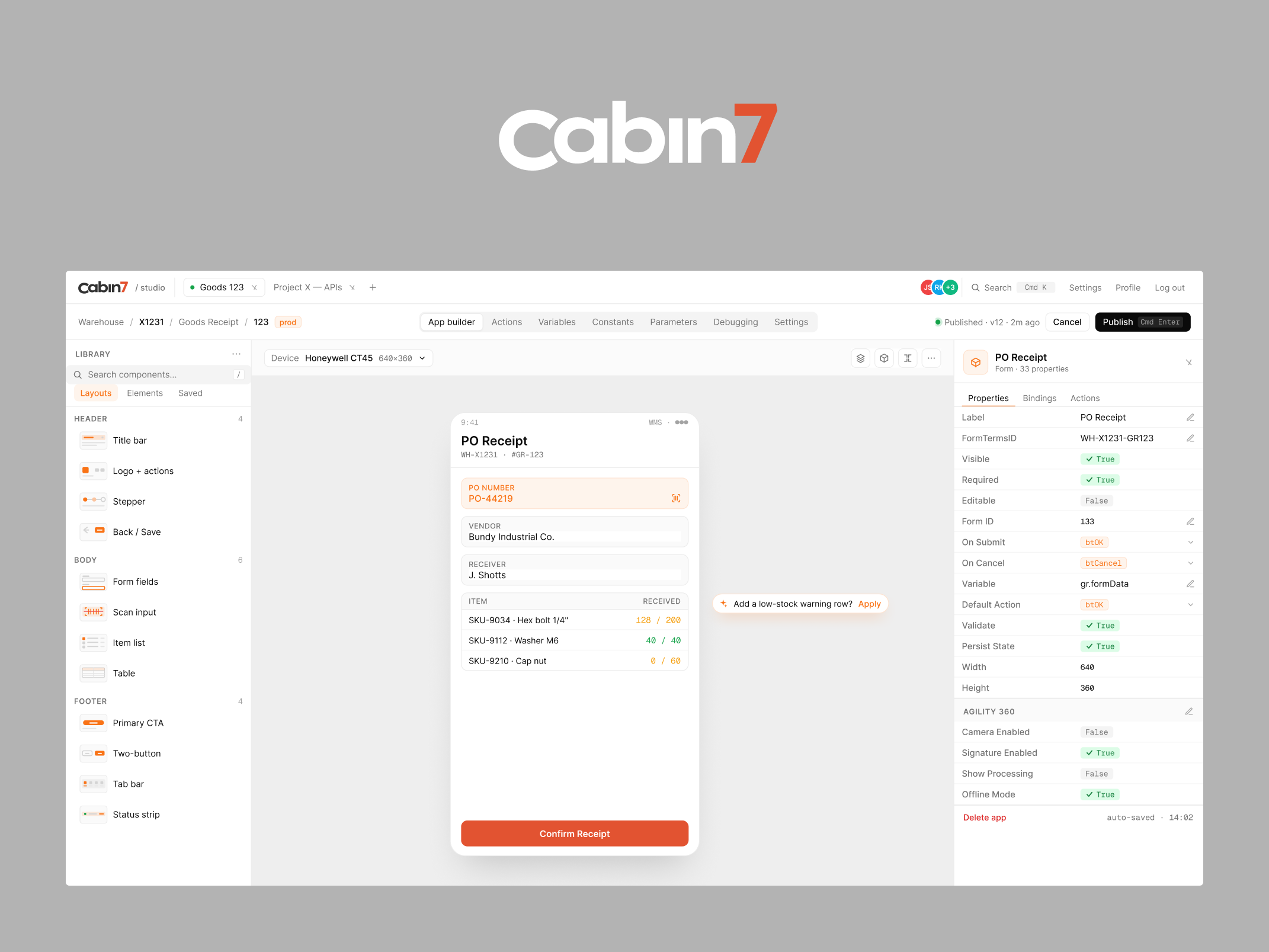
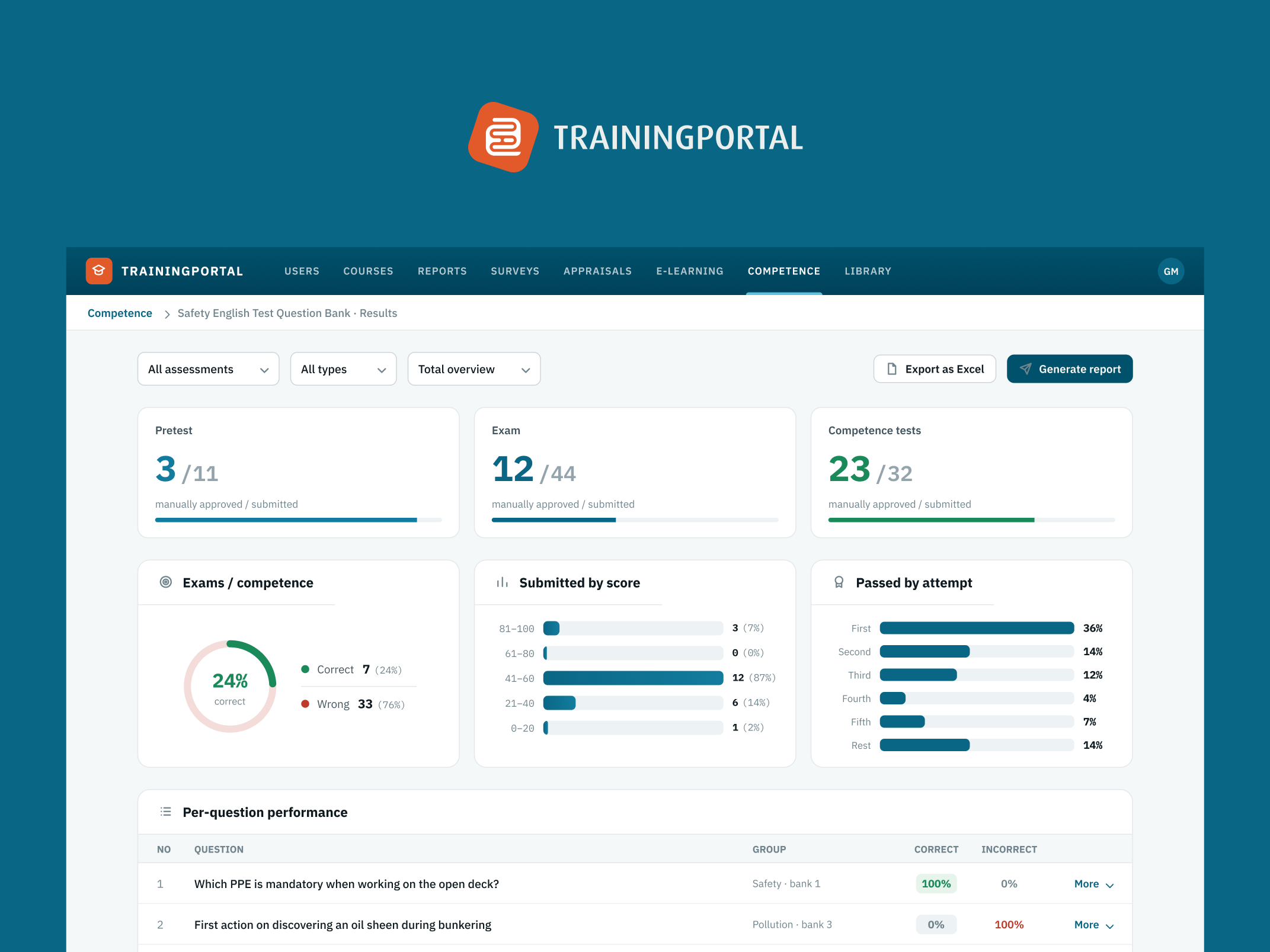
Anthropic launched Claude Design in mid-2026 with an explicit pitch: a tool for founders, PMs, and marketers — people who, as the product page puts it, don't live in Figma. It generates prototypes, decks, and marketing assets fast enough to be genuinely useful, and the output is polished enough to share.
I've had this land in my own projects already. PMs on two of my current engagements used it over a weekend to mock up feature ideas and came back on Monday with something that looked ready to present. First time it happened, it was a slightly strange moment.
But here's what I've actually observed across all of those situations.
The gap between plausible and right
AI-generated design output looks plausible on the surface. That's genuinely impressive, and it's a real shift from where these tools were even twelve months ago. The problem is that "plausible" and "right" are very different things in product design, and the gap between them isn't visible until you know what to look for.
The moment you run an AI-generated design through a real process — checking it against actual user flows, existing design system components, edge cases, mobile breakpoints, technical constraints — it tends to fall apart in specific, predictable ways. The AI optimised for what looked correct based on common patterns. It didn't have the context to know that your users are mostly working on small screens, that your backend can't support that interaction model, or that three versions of that component already exist and are maintained in your design system.
The tool generated five options. None of them were wrong in an obvious way. But one of them was right for your specific situation, and determining which one requires knowledge the AI doesn't have.
What this actually changes for design teams
The role that survives this shift isn't the one that produces design output. It's the one that evaluates it.
I've started describing my own work on some projects as more editorial than generative — less time producing initial concepts from scratch, more time making informed judgments about what AI produces, knowing which direction to push it in, and being the person who can look at what came out and say: this is good enough, or this isn't, and here's specifically why.
That shift requires exactly the kind of experience that's hard to shortcut: having shipped enough products to know how things fail, having worked with enough user bases to spot assumptions that won't hold, having run enough design reviews to recognise when something looks finished but isn't.
What this means for companies hiring design help
The question I'm hearing more often from clients isn't "do we still need designers?" — it's "how do we know if the design we're getting is actually any good?"
AI can produce a convincing answer to a design brief. What it can't do is tell you whether it's the right answer for your specific product, your specific users, and your specific moment in the market. That evaluation is what senior design experience is actually for, and it becomes more valuable as the volume of plausible-looking output increases.
In short: more output, same need for judgment. If anything, the ability to assess quality matters more when there's more to assess.
More writing

Book a 20-minute intro call
Slots show in your own time zone.
Let’s see if it’s a fit.
Twenty minutes is usually enough: the role, the product, and how your team works.


Ask AI about my work
AI answer, based on my case studies and CV
Answers show up here as they're written. I keep them short and point you to the case study they come from.
AI can get things wrong. If something matters, check the case study or email me at hi@gytismark.com.